npm:pagebolt-mcp
Is the npm:pagebolt-mcp MCP server safe to use?
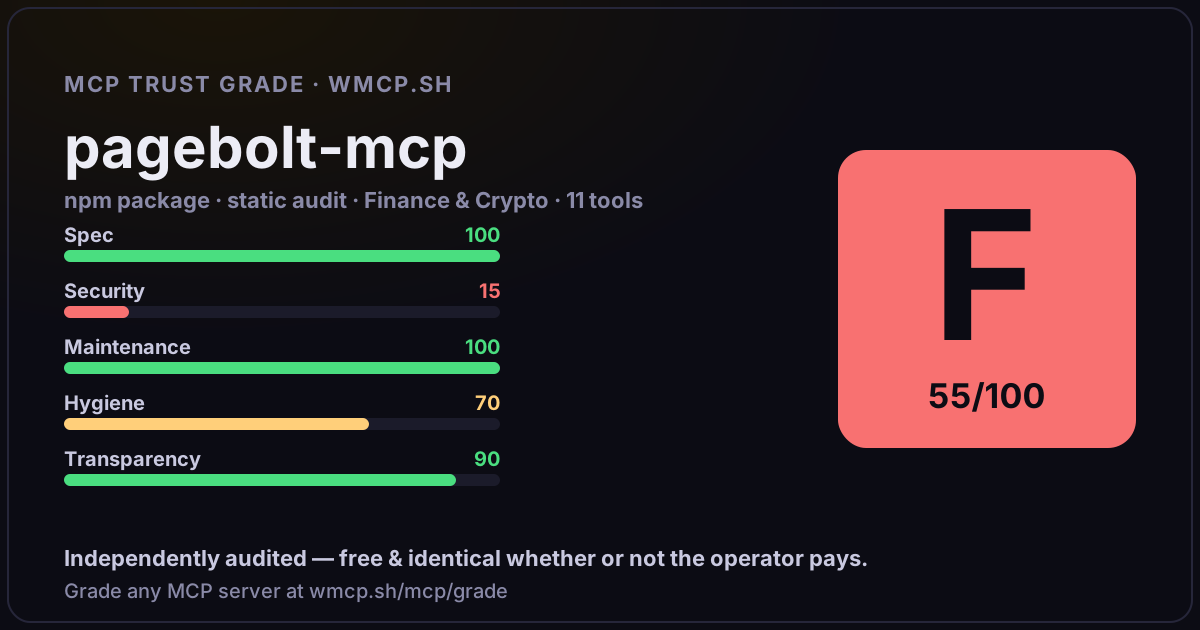
Independent trust grade F (55/100). Prompt-injection / hidden-instruction markup found in package source. wmcp.sh continuously watches npm:pagebolt-mcp for tool drift and rug-pulls. The grade is free and identical whether or not the operator pays.
What it offers — 11 tools · Finance & Crypto
take_screenshotCapture a screenshot of a URL, HTML, or Markdown content. Supports device emulation, ad/chat/tracker blocking, metadata extraction, geolocation, timez
generate_pdfGenerate a PDF from a URL or HTML content. Supports custom margins, headers/footers, page ranges, and scaling. Saves the PDF to disk and returns the f
create_og_imageGenerate an Open Graph / social card image. Returns an image using built-in templates or custom HTML.
run_sequenceExecute a multi-step browser automation sequence. Navigate pages, interact with elements (click, fill, select), and capture multiple screenshots/PDFs/
record_videoRecord a professional demo video of a multi-step browser automation sequence. Produces MP4/WebM/GIF with cursor highlighting, click effects, smooth mo
inspect_pageInspect a web page and get a structured map of all interactive elements, headings, forms, links, and images — each with a unique CSS selector. Use thi
observe_pageGet a compact, token-budgeted
visual_diffCompare two web pages (or HTML strings) pixel-by-pixel and return a diff image highlighting all visual differences. Supports full-page capture, device
list_devicesList all available device presets for viewport emulation (e.g. iphone_14_pro, macbook_pro_14). Use the returned device names with the viewportDevice p
check_usageCheck your current PageBolt API usage and plan limits.
create_sessionCreate a persistent browser session (Starter+ plan required). The session keeps a live browser page open so you can reuse cookies, localStorage, and a
- ✓ depends on an MCP SDK
- ✓ declares a bin entry (runnable server)
- ✓ 11 tool(s) detected in source
- ⚠ prompt-injection / hidden-instruction markup in source
- ⚠ references sensitive file paths / env secrets
- scanned 1 source file
- published within 90 days
- 24 published versions
- no TypeScript types
- 2 runtime deps
- ✓ public repository linked
- ✓ MIT license
Findings
We re-grade npm:pagebolt-mcp on a schedule and alert your Slack/webhook the moment its tools change or its grade drops — rug-pull insurance for the connection.
Share this report card
A 1200×630 card with the grade + audit — drop it in a post, Slack, or your repo.
Embed this grade
A live badge — it re-verifies itself and shows current stability. Static scorecards can't. Paste it in your README or site to show users you're independently audited.
[](https://wmcp.sh/mcp/grade/npm%3Apagebolt-mcp)
<a href="https://wmcp.sh/mcp/grade/npm%3Apagebolt-mcp"><img src="https://wmcp.sh/mcp/grade/npm%3Apagebolt-mcp/badge.svg" alt="MCP Trust Grade F · wmcp.sh"></a>
Agents: check this before connecting
Add the wmcp.sh trust oracle as an MCP server and call grade_mcp_server / check_mcp_drift in your agent's pre-connection gate:
https://wmcp.sh/mcp/trust
readOnly vs observed behavior) layer on via the wmcp.sh proxy.